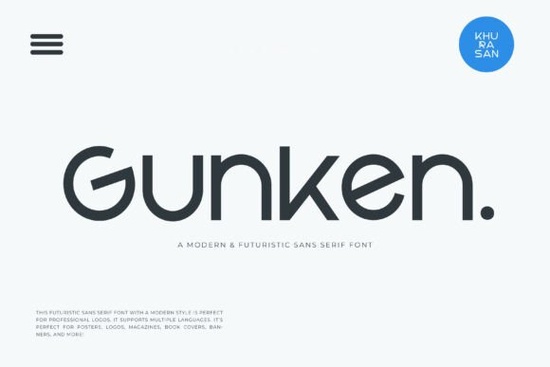
If you're looking for a clean, modern sans-serif font that works well for branding with a subtle futuristic feel, Gunken Font is worth considering. It’s not overly technical or rigid just smooth, light, and quietly confident. Designers and small business owners often tell us they reach for it when they need something legible at small sizes but still distinctive enough to hold attention on posters, book covers, or social banners. It’s especially helpful if your project leans toward minimalism, tech-adjacent themes, or contemporary lifestyle branding.
What makes Gunken different from other sans-serifs?
Unlike bolder display fonts or ultra-thin minimalist options, Gunken sits comfortably in the middle: light enough to feel airy and modern, but with enough weight contrast and even spacing to stay highly readable. The letterforms are rounded just slightly not so much that it feels playful, but enough to soften sharp edges and add approachability. That balance helps it pair well with both photography-heavy layouts and text-dominant designs like magazine spreads or product packaging.
It also includes full Latin character support, numerals, punctuation, and basic multilingual characters useful if you’re designing for international audiences or planning bilingual labels. You’ll get OTF and TTF files, plus web-ready formats if you’re embedding it into Shopify stores or WordPress sites (always check the license first for web use).
Where does Gunken work best?
Because of its neutral-yet-polished tone, Gunken fits naturally into several common creative workflows:
- Branding & logos: Works well for startups, wellness studios, or design-forward service businesses that want clarity without coldness.
- Print-on-demand products: Looks crisp on mugs, tote bags, and wall art especially when paired with simple line art or soft gradients.
- Digital assets: Clean rendering on screens makes it suitable for email headers, Canva templates, or Instagram story text overlays.
- Editorial design: Use it for pull quotes, chapter headings, or cover typography where you want hierarchy without distraction.
You don’t need to overthink pairing it either. Try it with a gentle serif like Playfair Display for contrast, or layer it with a friendly handwritten font for warmth. If you prefer staying within sans-serifs, Once After Font offers a more expressive alternative for subheads, while Simple Aesthetic Font shares a similar lightness but with softer terminals great for mood-based projects.
How does it compare to similar fonts on Creative Fabrica?
Compared to Gebuk Font, Gunken feels more restrained Gebuk has stronger geometric structure and a bolder presence, better suited for bold signage or athletic branding. If you're drawn to sun-drenched, laid-back aesthetics, Cyprus Sunrise Duo Font brings warm contrast with its dual-weight pairing, whereas Gunken stands alone as a single, cohesive family. And unlike Biggie Stencil Font, which leans into industrial texture and cut-out energy, Gunken keeps things smooth and uncluttered ideal when subtlety matters more than statement.
None of these are “better” just different tools for different jobs. If your current go-to font feels too heavy, too ornate, or too dated for a new client pitch or seasonal collection, Gunken is a low-risk, high-flexibility option to test.
Practical tips before downloading
Before adding Gunken to your library, keep these in mind:
- Check the license: The standard license covers personal and commercial use, including POD, but excludes resale of the font file itself or use in apps/software.
- Test it in context: Drop it into a mockup of your actual project sometimes a font looks great on its own but doesn’t hold up next to imagery or background textures.
- Use optical sizing wisely: Since Gunken is light by nature, avoid using it smaller than 14pt for body copy unless your layout has generous line height and contrast.
- Pair intentionally: Avoid stacking multiple light fonts together try balancing it with a grounded sans-serif or a modest serif for visual stability.
If you’ve used Gunken Font in a real project, consider saving a quick version of your file with layer names or notes about what worked it’ll save time on your next similar brief. And if you’re building a font collection for client work, start with three versatile options like Gunken, Once After, and Simple Aesthetic that combo covers a surprising range of moods without overwhelming your workflow.
Get Started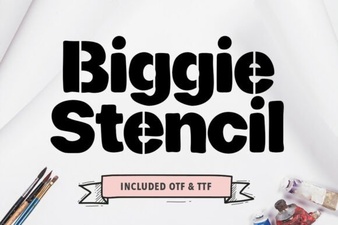 Biggie Stencil Font: Bold & Creative Design Tool
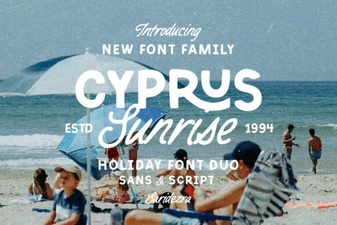 Cyprus Sunrise Duo Font: Elegant Dual-Style Typography
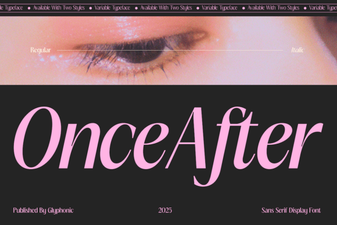 Once After Font: Creative Typography for Design Projects
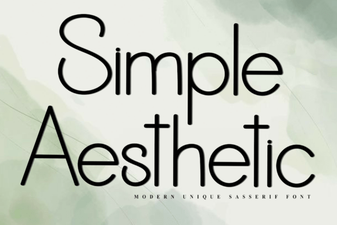 Simple Aesthetic Fonts for Creative Projects
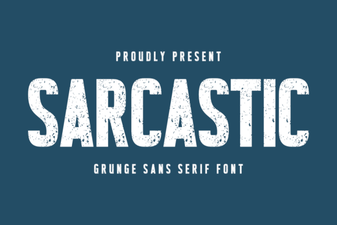 Sarcastic Font: Playful Typography for Creative Projects
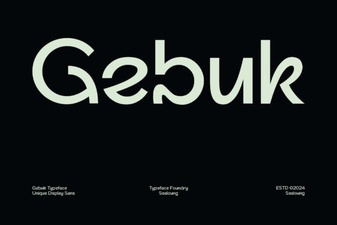 Gebuk Font: Bold, Playful Design for Creative Projects